Depression is often misunderstood. Many people think it is just feeling sad or having a bad day. In reality, depression is much deeper than that. It affects how a person thinks, feels, behaves—and even how the brain works. In case depression is linked with the behavior of specific people, a depressed person also draws conclusions and stamps people involved. These conclusions often stem from past experiences with those individuals.
Usually, mild and temporary low moods can be managed independently, and consulting an expert is not required. However, understanding how depression affects the brain can help reduce social stigma and encourage people to seek help early if required. This article explains depression in simple terms, looks at what happens in the brain, and briefly discusses how it can be treated.
So What Is Depression?
Depression is a common mental health condition that causes persistent feelings of sadness, emptiness, or hopelessness. Unlike normal sadness, depression lasts longer and interferes with daily life. It is not a sign of weakness but a treatable illness.
Depression does not mean someone is weak or lazy. It is a real health condition that can affect anyone, especially young adults facing academic pressure, career uncertainty, social comparison, and emotional stress. People with depression may experience one or all of the following symptoms:
- They may experience low moods most of the time.
- It is also possible that they lose interest in activities they once enjoyed or completely leave behind whatever once sparked their passion or interest.
- They may feel guilt or may also feel that they are worthless.
- They may also be experiencing constant tiredness or a lack of energy.
- They may experience trouble sleeping or excessive sleeping.
- They may struggle to concentrate due to losing focus.
Depression From a Medical Point of View
Doctors and researchers have found that depression affects the way different parts of the brain communicate with each other. It also affects brain chemistry and brain structure. From a medical perspective, depression is linked to changes inside the brain.
The brain controls mood, thoughts, memory, and decision-making. When depression occurs, these systems do not work as smoothly as they should. This is why depression affects both emotions and physical well-being.
Many recognized depression as a brain-based disorder, not just as an emotional problem.
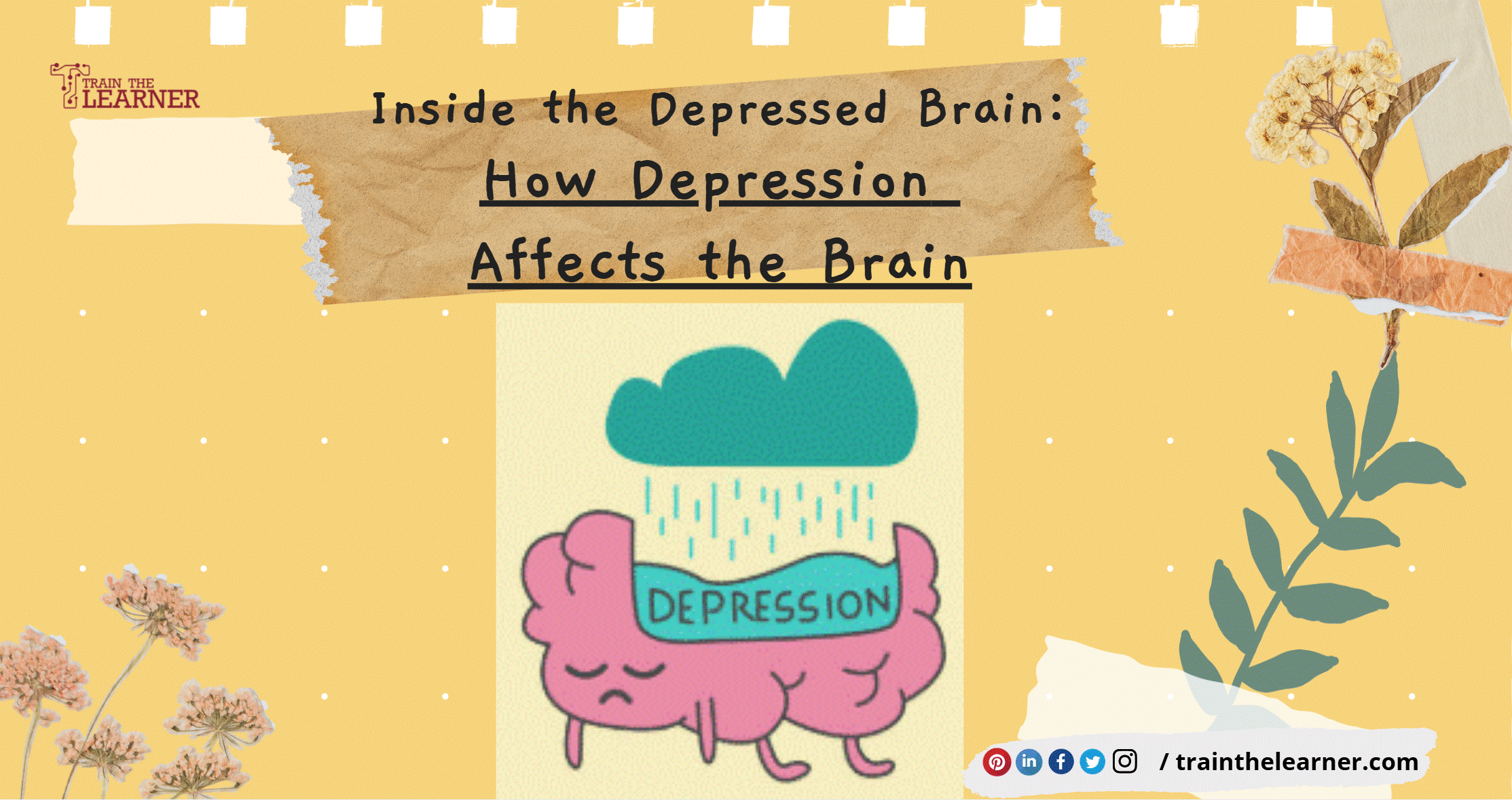
How Depression Affects the Brain
Changes in Brain Chemicals
The brain uses chemicals called neurotransmitters to send messages between nerve cells. In depression, the balance of these chemicals can be disturbed.
Some chemicals involved include serotonin, dopamine, and norepinephrine. Serotonin affects mood, sleep, and appetite. Dopamine is linked to pleasure and motivation, while Norepinephrine affects alertness and energy. When these chemicals are not working properly, a person may feel sad, unmotivated, or emotionally numb.
Effects on Brain Areas
Depression can also affect specific areas of the brain, for instance, the prefrontal cortex, hippocampus, and amygdala.
The first-mentioned area is the Prefrontal cortex, which is responsible for thinking, planning, and decision-making. Depression can make this area less active, leading to poor concentration and negative thinking.
The second-mentioned area of the brain is the Hippocampus. This area is important for memory and learning. Long-term depression may reduce its size, which can explain memory problems.
Last of all is the Amygdala, which controls emotions of fear and sadness. In depression, this area can become overactive, making emotions feel overwhelming.
When certain areas of the brain are affected, it alters the whole thinking process.
Impact on Daily Thinking and Emotions
Because of these brain changes, people with depression may overthink or focus on negative thoughts. They may also struggle to feel joy or excitement. There is a high chance of emotional disability as it controls one’s mind fully. So, the affected person may feel emotionally empty, disconnected, or even rejected. They may also find simple tasks exhausting. And the vital point here is that these experiences are not choices; they are symptoms of how depression affects the brain.
Now, the important question to think about here is, can the brain really recover from depression, or will it get stuck? In the next episode of this article, we will further discuss it.
Can the Brain Recover From Depression?
Yes. The brain has an amazing ability to heal and adapt. This ability is called neuroplasticity, which means the brain can form new connections and recover over time.
With the right support and treatment, many of the brain changes linked to depression can improve. Early help often leads to better and faster recovery.
How Depression Is Treated (Brief Overview)
Depression is treatable; some of the common approaches are:
- Talking therapies: Talking to a licensed therapist helps change a person. It also sorts out many issues the affected person is facing.
- Medications: If a person seeks help through medicines, the chemical balance in the brain can be restored.
- Lifestyle changes: Another effective strategy is to change the lifestyle. For instance, focusing on getting better sleep or joining a gym or training program for regular movement can also help in reducing stress.
- Social support: Reaching out to friends, family, and loved ones can provide a support network and help remind someone that there are people who care for them.
While understanding the topic, we must keep in mind that what helps one person may not be the same for another. So, the treatment works best when it is personalized.
Why Understanding Depression Matters
Understanding that depression affects the brain helps break harmful myths. It reminds us that depression is not “just in the mind”. People cannot simply “snap out of it”. And most importantly, seeking help is a sign of strength, not weakness. For young adults especially, awareness can make a huge difference in recognizing symptoms early and getting support.
Final Thoughts
Depression is a serious but treatable condition that affects both the mind and the brain. By understanding how depression changes brain function, we can replace judgment with empathy and silence with conversation.
If you or someone you know is struggling, help is available, and recovery is possible.